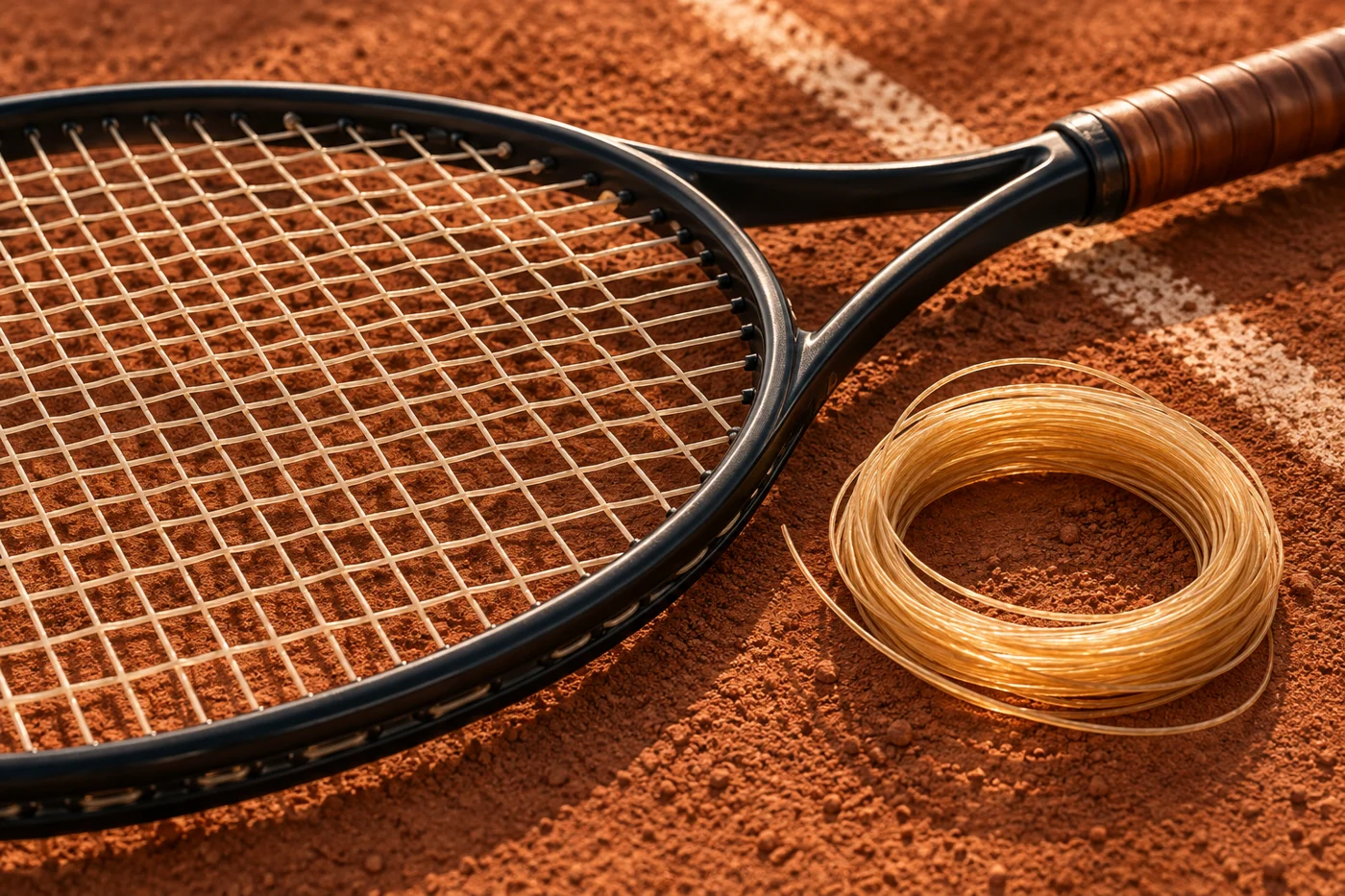
A tennis racket should fit the player and the task. Its weight alone does not tell you how it swings, and a professional endorsement does not tell you how a retail frame will feel in your hand. These answers provide a practical starting point before you demo, buy or restring.
1. What are the main parts?
The frame includes the head, throat and handle. Strings form the hitting surface; grommets protect them where they pass through the frame. The grip covers the handle, and the butt cap finishes its end.
2. How do I choose grip size?
Use a fitting guide as a starting point, then hold and play with the racket. Hand shape, grip shape and personal preference matter. A measurement should not override an obviously awkward or insecure hold.
3. What racket weight is ideal?
There is no universal ideal range. Consider whether the listed weight is strung or unstrung, and assess balance and swingweight as well. You should be able to prepare and serve repeatedly without the racket feeling unmanageable.
4. Does heavier mean more power?
Mass can add stability, but only if you can deliver it effectively. A frame that slows your preparation may not help you. Compare the full swing experience rather than choosing the highest number on a specification sheet.
5. Which string material is best?
Different materials serve different priorities. Synthetic gut is an economical starting point; multifilament and natural gut offer elastic options; polyester can suit faster swings seeking a firmer response. See the string-material guide.
6. When should I restring?
Restring when the condition or response no longer suits you, not only after breakage. Material, playing time and storage matter. Keep a record of the date and setup so changes are easier to interpret.
7. What tension should I choose?
Begin within the relevant racket and string recommendations, with advice from a competent stringer. A single range such as 50–70 lb is not suitable guidance for every material or frame. Change tension gradually and test.
8. Can I customise a racket?
Yes, but added mass changes more than total weight. Its location affects balance and swingweight. Start with professional advice and small reversible changes; do not copy a tour player’s setup without understanding it.
9. Open or dense string pattern?
An open pattern and a denser pattern can produce different string movement and response. They do not guarantee spin or control by themselves. Technique, spacing, string type and the frame remain important.
10. When does a frame need replacing?
Cracks, structural damage or damaged string supports deserve inspection. A cosmetic paint chip is not automatically structural failure. A qualified stringer can help distinguish wear from a reason to stop using the frame.
11. Which racket brand is best?
Compare models that meet your needs across brands. A company may sell very different beginner, intermediate and specialist frames. Read the racket-brand guide as a shortlist, not a ranking.
12. What makes a beginner racket suitable?
A manageable swing, usable hitting area and comfortable grip are useful priorities. “Beginner” does not mean the lightest possible frame for every adult. A supervised demo is more informative than a label.
13. How should I store it?
Keep it away from prolonged heat and unnecessary moisture. A hot car is a poor storage place. Let damp grips dry before sealing equipment inside a bag.
14. What is a standard adult length?
Many adult rackets are 27 inches long. That common size is different from the rules’ maximum permitted overall length of 29 inches. Junior frames come in shorter lengths.
15. Pre-strung or unstrung?
Pre-strung rackets arrive with strings installed. An unstrung frame needs a stringing choice before play. Factory strings may be sufficient to begin, but check their condition and whether they suit your needs.
16. Can I use it for squash or badminton?
Use equipment designed for the sport you are playing. Tennis rackets differ substantially in dimensions, construction and handling from badminton or squash rackets. They are not sensible interchangeable substitutes.
17. Power or control frame?
These are broad marketing descriptions. Head size, stiffness, string setup and mass distribution all contribute to the response. Test whether you can produce depth and change direction reliably with your normal swing.
18. Is my racket too demanding?
Notice late preparation, difficulty repeating serves or loss of control as the session continues. Pain or fatigue can have several causes, so do not assume frame weight is the only explanation.
19. What makes spin easier?
Stroke path, racket-head speed and contact are central. Frame and strings can influence the result, but a light frame or open pattern alone does not create topspin. Test it with the technique you can repeat.
20. How do I fit an overgrip?
Remove the old overgrip while retaining the underlying replacement grip unless that also needs replacing. Wrap from the butt towards the throat with consistent overlap, then secure the end. Follow the product instructions.
21. How do junior rackets differ?
They are available in shorter lengths and different weights to suit developing players. A coach can match racket length to the child’s size and control. A full-size frame is not automatically an upgrade.
22. Does a vibration dampener prevent injury?
A dampener mainly changes string vibration and sound. It should not be treated as a proven way to prevent or cure arm injury. Persistent symptoms need individual assessment.
23. What does head-light mean?
It describes the location of the balance point relative to the racket’s midpoint. It does not mean the whole racket is light. Two frames with the same balance label can have different mass and swingweight.
24. One-piece or two-piece stringing?
One-piece uses one continuous length; two-piece uses separate lengths for mains and crosses. The frame’s approved pattern matters. A hybrid normally needs separate string lengths because its two materials differ.
25. How should I demo a racket?
Test groundstrokes, returns, volleys and serves over a realistic session. Record the strings as well as the frame. Comparing one frame with fresh strings and another with an old setup can lead to the wrong conclusion.
