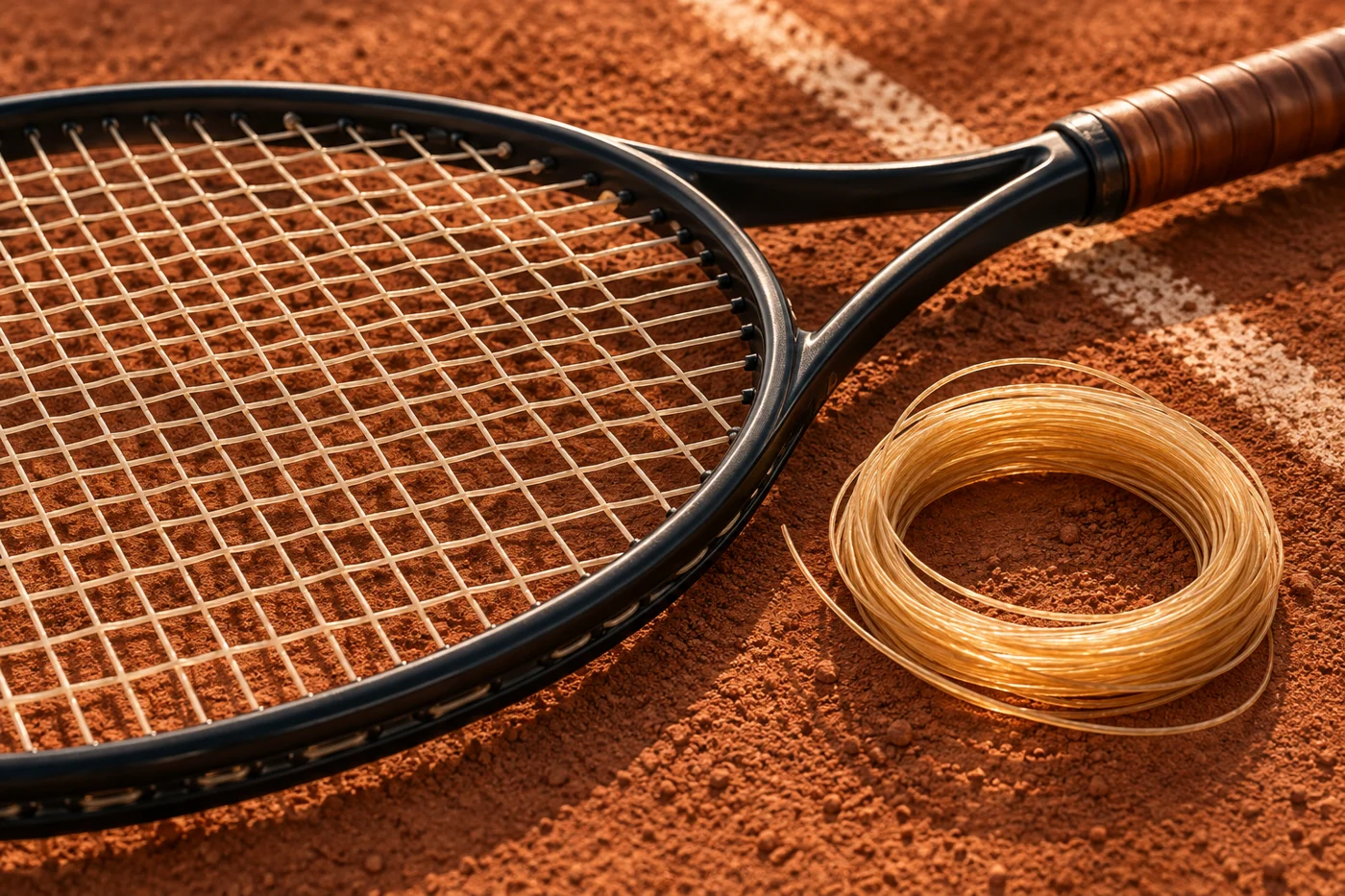
A tennis racket brand is a starting point for a search, not a guarantee that every frame it sells will suit you. The useful comparison is between particular models, specifications and string setups. A familiar logo can narrow a shop visit, but a demo should make the final decision.
Established names to explore
Wilson, Babolat, HEAD, Yonex, Prince, Dunlop and Tecnifibre all have recognisable tennis racket ranges. Other specialist names include Volkl and ProKennex. Availability differs by market and changes over time, so check the manufacturer’s current catalogue before treating a historical brand as an active local option.
This is an illustrative shortlist, not a sales ranking or an exhaustive directory. We do not have audited market-share data establishing which brand is “best” or sells most.
Compare specifications within a category
First identify the length and grip appropriate to the player. Next compare strung weight, balance, swingweight and head size. Be careful when one shop lists unstrung weight and another lists a strung measurement.
A brand may offer several versions within one family. A lighter team model, an oversize version and a heavier tour version can share a name while playing quite differently. Record the full model and year rather than only the family.
Strings can change your impression
A demo’s string type, tension and age can affect the experience substantially. If you compare two rackets, ask what is installed in each. It is easy to attribute a firm or unresponsive feel entirely to the frame when an unsuitable string bed contributes.
Read the string guide before concluding that a whole brand feels too powerful or too harsh.
Professional endorsements and older models
A professional’s racket may be customised, and its cosmetics do not always establish the retail construction underneath. Buy for your own playing needs rather than expecting a champion’s logo to reproduce their shots.
Older frames can still be useful if they are structurally sound and replacement parts are available. Check grommets, condition and the practical cost of maintenance. The history of tennis rackets explains how model names and construction have evolved.
A shortlist you can actually test
Choose two or three plausible models, fit them with comparable strings where possible and test a complete session. Include serves and pressured returns as well as comfortable baseline rallies. Notice whether preparation becomes more difficult when you tire.
Keep notes and resist changing everything at once. The best outcome is equipment you understand and can use repeatedly, not the longest list of brands.
