Tennis String Savers Explained: A Small Accessory, Not a Fresh String Bed
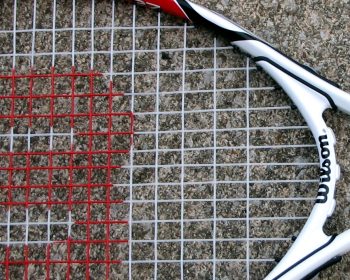
What string savers are, how to discuss them with a stringer and why they do not restore an ageing or damaged string setup.
Practical tennis tips for club players, clear explanations of the rules, and guides to rackets, strings and equipment. Explore the game on court and follow the ATP and WTA tours.
Learning the score, exploring tennis history or choosing your first racket? Pick a subject, follow the beginner route or look up an unfamiliar tennis term.
Following women’s tennis? Go straight to our WTA tennis guides. Looking for a definition? Open the tennis glossary ↓
You do not need to learn every rule or buy a professional setup before your first hit. Start with the score, a suitable racket and one clear aim for your time on court.
Love means zero. Say the server’s score first. At 40–40 (deuce), standard advantage scoring requires two consecutive points to win; some formats use a deciding point instead.
From ace to volley: open a letter group for a quick definition. Linked terms take you to a fuller guide.
Rules and terminology checked against the 2026 Rules of Tennis and the international federation’s glossary. This is a starting guide; use your competition’s published format for match-specific rules.
What string savers are, how to discuss them with a stringer and why they do not restore an ageing or damaged string setup.

A practical visual inspection guide for worn strings, break locations and grommets, without pretending a photograph can measure remaining life.
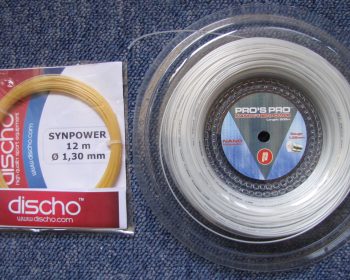
A copyable tennis stringing record for installation details, playing hours and useful observations, with an example clearly marked as hypothetical.

Compare round and shaped polyester without confusing surface shape, string friction and the spin produced by your swing.

Separate breakage, tension loss and changing string-bed behaviour, then build a practical restringing record for polyester strings.
Put the small 98-to-100 head-size difference in context and compare complete racket setups through returns, rallies and serves.
What string-pattern numbers mean, why spacing matters and how to compare 16×19 and 18×20 frames without oversimplifying spin.
Check tennis grip size in the finished racket setup and understand replacement grips, overgrips and common fitting mistakes.
Understand racket balance points, the midpoint calculation and why balance alone does not determine manoeuvrability.
Separate racket mass from swingweight, compare strung specifications fairly and organise a useful demo before buying.
