Tennis string gauge describes thickness. It is an easy specification to overlook, yet it can make a familiar string play differently. The clearest way to compare packets is to look for the diameter in millimetres rather than relying only on a gauge number.
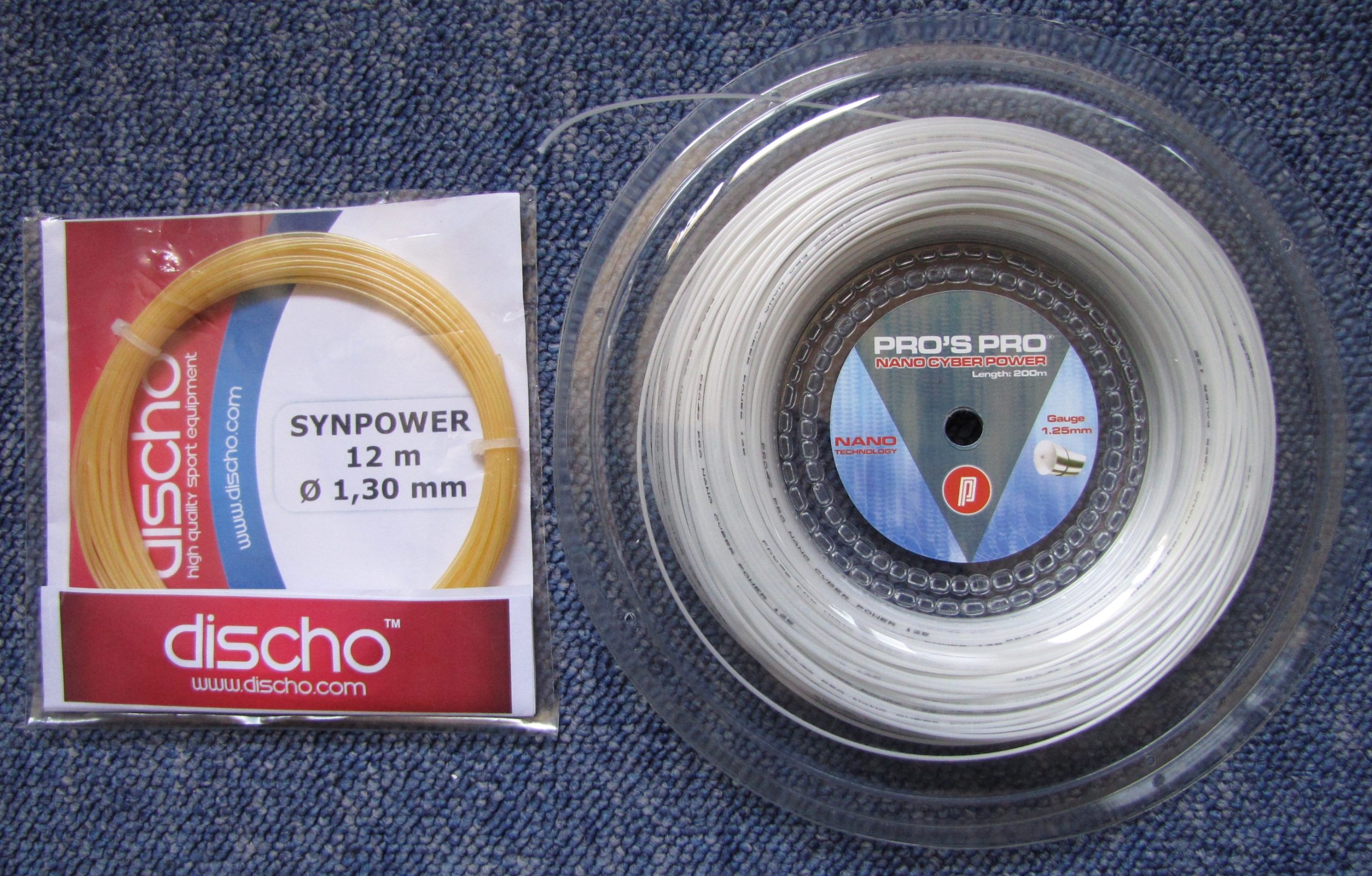
Read millimetres first
A 1.20 mm string is thinner than a 1.25 mm string, which is thinner than a 1.30 mm string. Gauge names such as 16, 16L and 17 are common, but brand conventions and the way intermediate sizes are labelled can differ. Check the printed diameter before assuming two similarly labelled packets match.
Material remains essential. Comparing a thin polyester with a thick multifilament changes both construction and thickness. That can be a worthwhile choice, but it is not a clean experiment showing the effect of diameter alone.
What changes when you go thinner?
A thinner version can be worth testing when you want a different response from a string you already know. It also leaves less material to wear through. The usual trade-off is therefore playability preference against useful life, rather than a promise that the smallest diameter is best.
Do not expect a gauge change to manufacture topspin by itself. Swing path, contact, string interaction and the condition of the bed matter. A player’s impression of bite is useful feedback, but it should be judged against actual depth, net clearance and consistency.
When a thicker version makes sense
Start by recording how and when your current strings fail. Repeated centre breaks after heavy hitting present a different question from an occasional break close to a grommet. The latter deserves an inspection of the frame and installation, rather than an automatic move to the thickest string.
Frequent string breakers can compare a thicker version of their current model while keeping other variables stable. Infrequent players may find that extending breakage life has little value if the string loses its preferred feel long before it snaps.
A three-session comparison
For the first session, establish rally depth and serving confidence without trying to hit harder than usual. In the second, include returns and defensive balls. In the third, play points with your normal opponent. Note whether you trust your routine swing under pressure.
Keep a simple record: product, diameter, tension, date, playing hours and replacement reason. Compare the total cost of restringing over several months, not only the packet price. An inexpensive thin string replaced very frequently may cost more in labour than a slightly dearer alternative.
Which diameter should you choose?
There is no universally correct gauge for a particular ability level. Start from a setup you can control, identify one practical limitation and make a small comparison. If you like the material but want to explore its range, changing diameter within the same product family is a more informative experiment than choosing a completely unrelated string.

