The eighth-generation Yonex EZONE 100 is the standard 300 g, 27-inch model identified by code 08EZ100. It is different from the extended 100+, lighter 100L and smaller-head EZONE 98. The official photograph here shows the Espresso Brown colour option from the same generation.
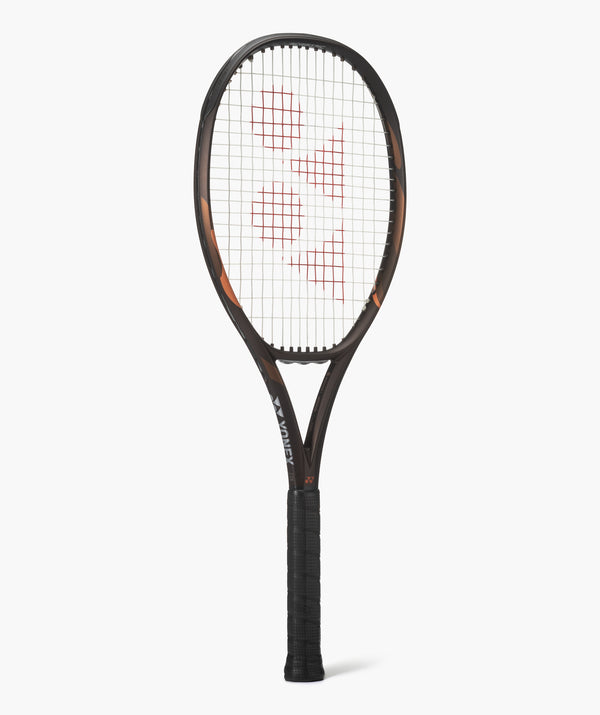
Official specifications
| Head size | 100 in² |
|---|---|
| Nominal unstrung weight | 300 g |
| Unstrung balance | 320 mm |
| String pattern | 16 mains × 19 crosses |
| Standard length | 27 in |
| Generation / model code | 8th generation / 08EZ100 |
Specifications checked against the manufacturer on 11 November 2026. Nominal unstrung figures; individual frames and installed setups can differ.
Check the generation and length
EZONE is a long-running family, so an older review or photograph may refer to a different construction. Confirm the eighth generation and the standard 100 name. The Plus is longer, while an L or SL suffix indicates a different model rather than another colour.
Yonex positions the EZONE 100 around accessible power and its characteristic ISOMETRIC head shape. The generation includes materials such as MINOLON and vibration-damping construction. Treat those as manufacturer information, not proof that every user will experience the same result.
Judge power through repeatable depth
Begin a demo with a rally target beyond the service line and safely inside the baseline. Can you reach it with a relaxed normal swing? Then increase the pace slightly while keeping the same target. The useful question is whether depth remains predictable.
If the ball repeatedly runs long, check the string setup and contact before judging the racket. If it falls short, note whether you are preparing late or changing your swing to accommodate the unfamiliar frame. Both observations help make the comparison more specific.
Explore the whole string bed sensibly
Real points include imperfect contact. Add controlled volleys, returns and a few defensive stretches to the session. Notice what happens to direction and depth when you are less comfortably positioned. Avoid turning that into a deliberate mishit test at maximum speed.
A marketing description of a larger sweet spot does not mean all contact locations behave identically. Evaluate the complete racket during ordinary play rather than expecting a head shape to eliminate the need for preparation and balance.
Compare against a clear reference
Use your current racket in the same session, with the same balls and a similar routine. Record grip size, string model, diameter, tension and approximate string age where known. A radically different string bed can make a frame comparison difficult to interpret.
Include several service games or a point-based drill. Check whether the racket remains manageable when you must react, choose targets and recover. A relaxed shop-demo rally is only part of the buying decision.
Make the final decision practical
The EZONE 100 deserves consideration when its standard length, head size and nominal weight fit your shortlist. Compare it with another plausible model instead of assuming the most prominent professional endorsement identifies the best racket for you.
This guide is based on official specifications and proposed demo tasks, not a personal playtest. Choose the model and setup that make your usual shots more dependable over a complete session, then keep those specifications for future restringing or a matched second racket.
