Naomi Osaka’s best-known results provide a starting point for studying first-strike hard-court tennis. To understand the game beyond powerful highlights, follow the serve, the return it produces and the decisions made before the rally has fully developed.
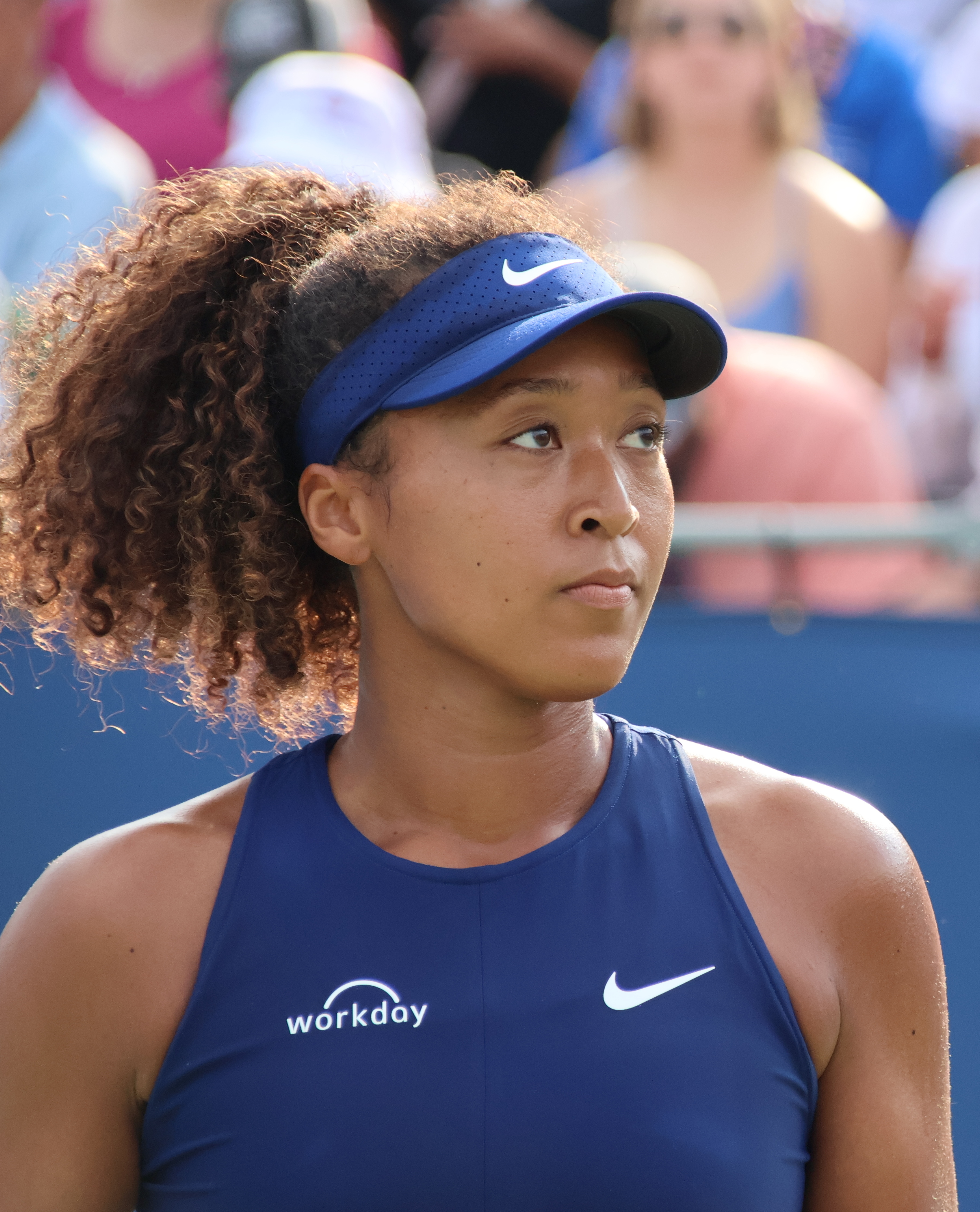
Four landmark major titles
Osaka won the US Open in 2018 and 2020 and the Australian Open in 2019 and 2021. These four titles are selected historical landmarks in this guide, not a claim about a live ranking or every current career statistic.
Her major success at the two hard-court championships makes those matches a useful viewing library. Compare complete games, where available, rather than drawing conclusions about an entire playing style from a handful of spectacular points.
Watch the serve and the next shot together
The serve changes the receiver’s position and the kind of reply available. Track whether the return sits up, comes back deep or forces an awkward first groundstroke. A well-directed serve can support a straightforward next shot without producing an ace.
For club practice, choose a serve target you can repeat. Have a partner return normally, then aim the next ball at a generous target. Score the success of the sequence rather than only whether the serve landed in. This encourages recovery and preparation after the serve.
The return starts the contest too
On return, watch the incoming serve, contact position and first target. A clean attacking return is only one possible success. A solid reply that prevents the server from taking immediate control can also be valuable.
Try recording the first return direction for a full game. Then note whether Osaka begins the next exchange from a balanced position. Keep this as an observation of that match, not a general statistic about every opponent or surface.
Power needs a usable contact position
In baseline exchanges, pay attention to preparation and balance before the most forceful shot. The visible pace is the result, while the steps leading to contact help explain whether the choice is repeatable.
An accessible practice progression is cooperative depth first, then one shorter ball to attack. Use a target comfortably inside the court and finish balanced. Increasing pace is useful only while the intended direction and depth remain under control.
A practical lesson for recreational players
Build a clear opening pattern that fits your own level. It might be a serve to a reliable area followed by a cross-court groundstroke, or a deep return that starts a neutral rally. The aim is to know what a good first exchange looks like.
Equipment endorsements and tour-level technique should not replace an individual assessment of your game. A coach can help adapt a simple pattern to your contact point and movement. The most useful takeaway from Osaka’s tennis is a better question about the start of the point, followed by a practice task you can actually repeat.

