A hybrid tennis string setup uses one string in the mains and another in the crosses. It can combine different materials, two diameters or two products from the same material family. The benefit is flexibility; the challenge is knowing which change actually improved your game.
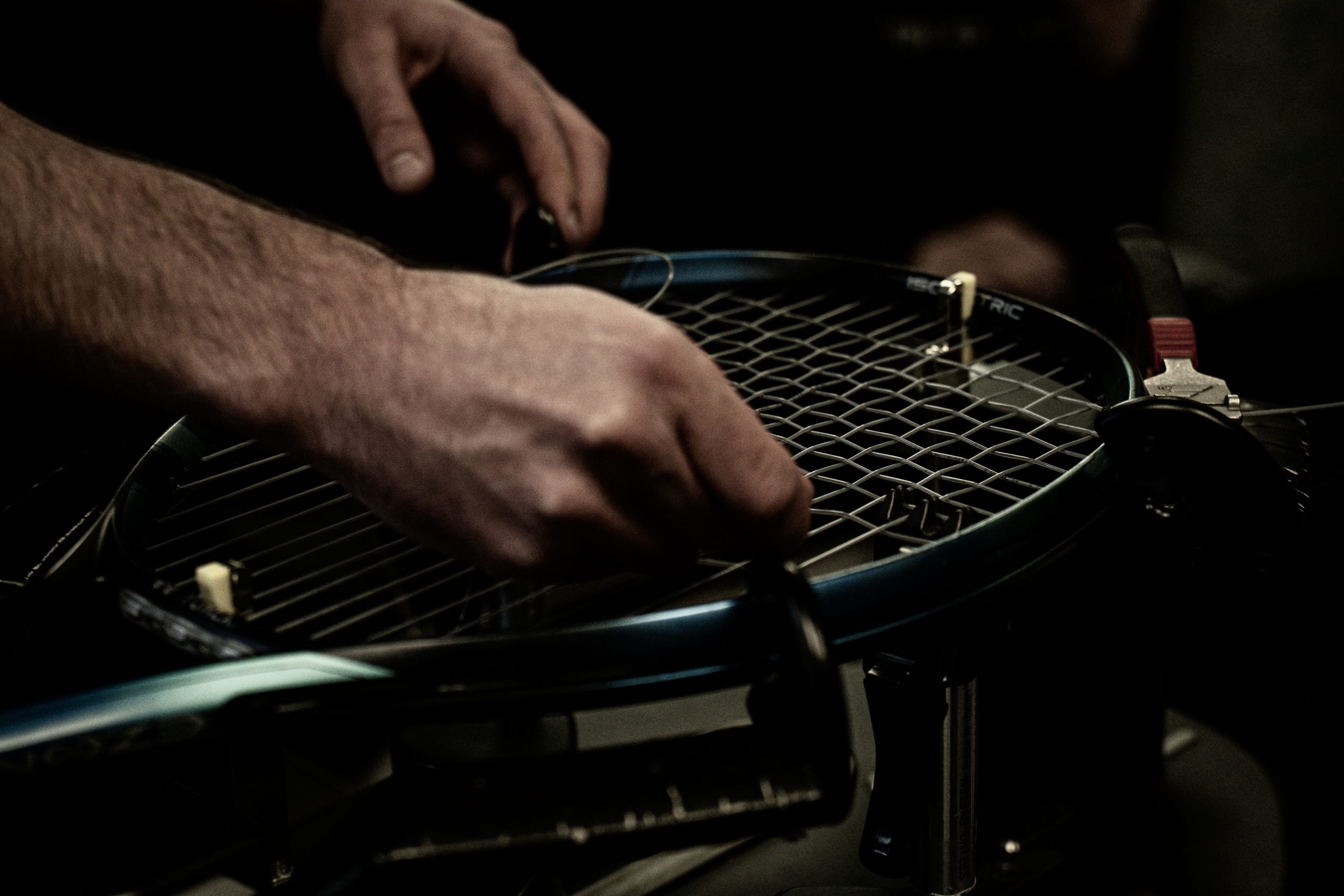
Understand mains and crosses
The mains run lengthways from the top of the racket towards the handle. The crosses run across the head. A setup should therefore be described precisely, such as natural-gut mains with polyester crosses. Reversing those positions produces a different arrangement, even when the same two packets are used.
Do not reduce the result to a simple percentage of each material’s advertised qualities. Strings interact at their intersections. Surface friction, notching, stiffness and changes with use affect the overall response. Research into string movement helps explain why the pairing matters.
Choose a reason before a recipe
Start with the limitation of your current full bed. Perhaps you like a softer main string but want to investigate another cross. Perhaps you want to compare a polyester-main arrangement with a softer alternative. Write that goal down before selecting products.
A prepackaged hybrid is convenient, but convenience does not prove suitability. Ask which string goes where, the diameter of each and the recommended installation approach for your frame. Keep the packaging or take a photograph so the setup can be reproduced.
Build a useful first trial
If possible, compare with a familiar racket of the same model. Use the manufacturer’s stringing instructions and a qualified stringer. Some combinations call for different reference tensions in mains and crosses; do not copy a professional player’s numbers without checking whether they make sense for your frame and materials.
Evaluate normal rally balls first. Then test short-angle shots, defensive blocks, serves and volleys. Record whether your intended depth becomes easier to repeat. A setup that feels lively in a cooperative rally may be less convincing when you need to return a fast serve.
Look at wear in both directions
Inspect where strings rub against one another. Fraying, grooves and strings that stop returning to position provide useful observations, but they do not create a universal expiry rule. Playing response can change while both materials remain unbroken.
When one part fails, have the complete bed replaced appropriately. Avoid treating a surviving half as automatically reusable. The cost and consistency of restringing should be part of choosing a hybrid, especially if the two materials wear at very different rates.
Keep experimentation manageable
Change one major element at a time: the main string, cross string, diameter or reference tension. Give each sensible setup enough ordinary play to assess it. Keep the best previous setup in your notes, so experimentation has a reliable reference point rather than becoming an endless succession of unrelated combinations.
