Davis Cup puts national teams at the centre of men’s tennis. Players still contest individual matches, but their results contribute to a shared team score. Understanding the difference between a match and a tie makes the competition much easier to follow.
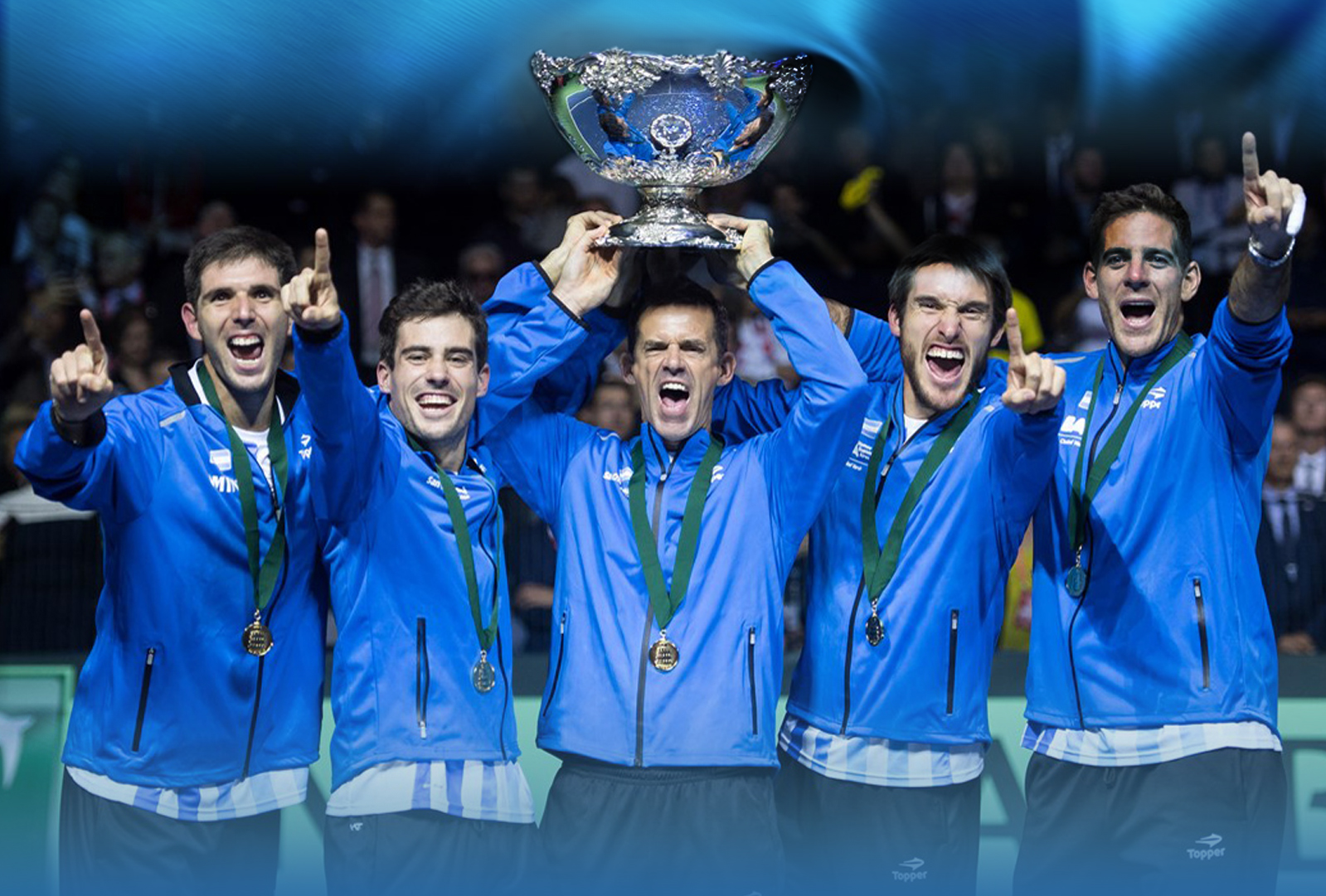
A match is one contest; a tie is the team meeting
A singles match involves two players. A doubles match involves two pairs. A Davis Cup tie brings those separate results together to decide which nation wins the meeting. A team can therefore win the tie without winning every individual match.
The captain selects players within the competition’s rules. A country’s leading singles player may attract most of the attention, but the second singles position and the doubles selection can be decisive. The strongest individual ranking does not settle the entire team contest.
Qualifiers and Final 8 use different arrangements
At the Final 8, a tie is built around two singles matches and a doubles match if needed. A nation needs two match wins to take the tie. The knockout bracket then determines which team reaches the next round.
Do not apply that format automatically to every earlier stage. Home-and-away qualifying ties can use a five-match schedule. Check the current competition format for the stage you are watching, including the number of days and the order of singles and doubles.
Why doubles changes the calculation
If singles leaves the nations level, the deciding doubles match requires a different skill set. Serve placement, return depth, movement at net and partnership communication become especially visible. Two excellent singles players do not automatically form the most effective doubles combination.
Watch the first four shots of each point: serve, return, first volley or groundstroke, and the next response. A successful return might keep the net player out of the point even without becoming a winner. That is a useful lesson for club doubles.
What to watch in a team environment
Notice how a player reacts after a teammate has lost or won the preceding match. The scoreboard creates a different context, but avoid assuming every emotional reaction explains the next result. Look for observable changes in serve selection, return position and rally tolerance.
The captain’s role is another point of interest. Follow selection decisions and the practical demands of players potentially appearing in both singles and doubles. Availability and match workload can matter alongside ranking.
Planning a Davis Cup visit
Start with the official tie or Finals page. Check the venue, stage, session access and published order of play. A ticket to a team tie does not guarantee that a particular star will play, and a deciding doubles match may not be required if the result is already settled.
Davis Cup is particularly rewarding when you follow the whole team rather than only a headline player. The changing combinations and cumulative score reveal a side of tennis that a standard singles draw cannot provide.

