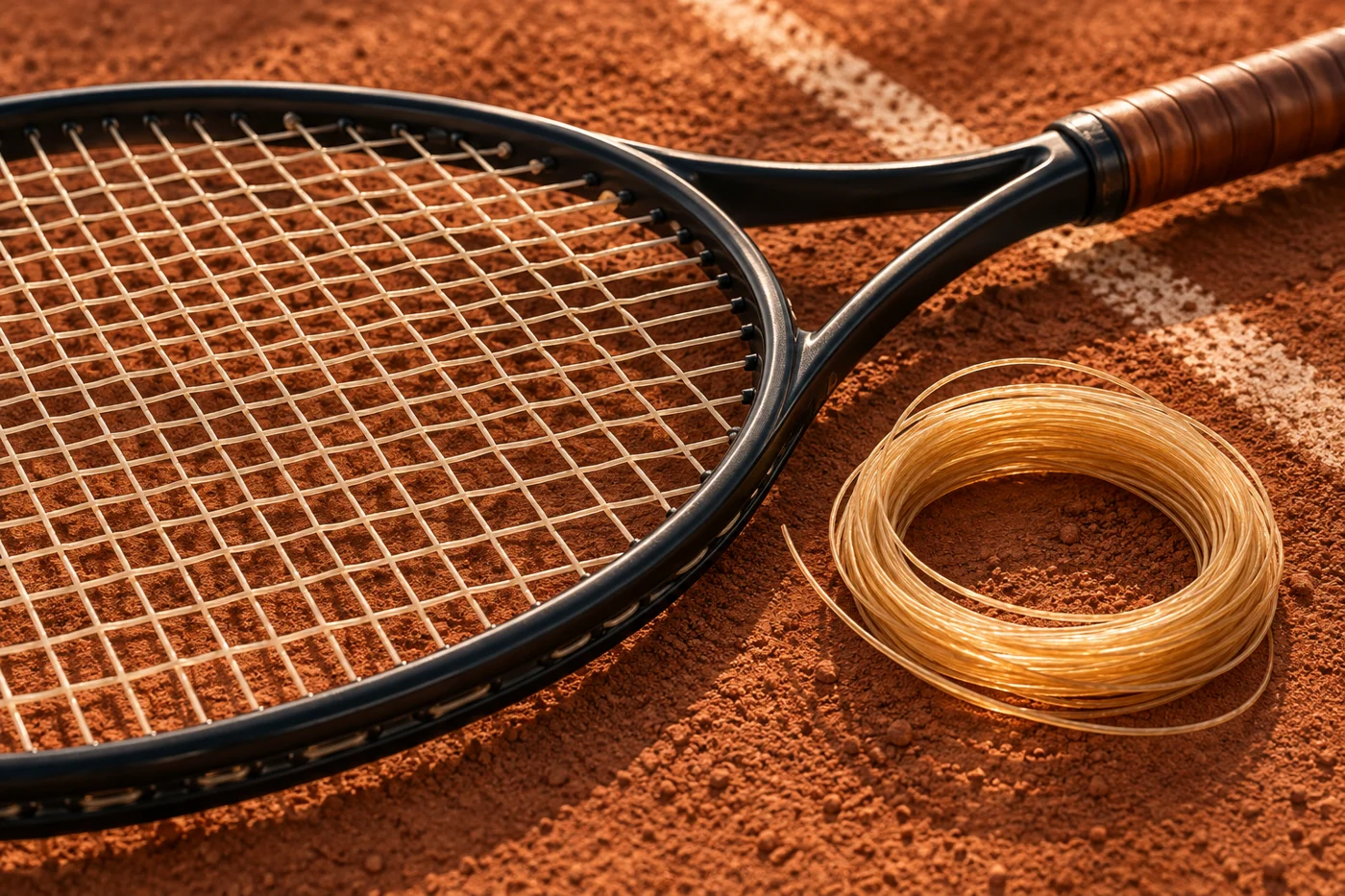
For a first tennis session, you need a suitable racket, appropriate balls, shoes that suit the court and clothing you can move in. A large bag of accessories can wait. The best starting kit lets you rally comfortably and safely without committing to expensive equipment before you know your preferences.
Start with a manageable racket
Choose a racket you can prepare and swing repeatedly, including on serve and when you are late to the ball. A few comfortable forehands in a shop do not test everything. If possible, borrow or demo equipment during a normal session.
There is no single ideal racket weight for every adult. Grip fit, balance, swingweight and strength matter alongside the number on the label. Children generally need appropriately sized junior rackets rather than a heavy adult frame to grow into.
Choose balls for the session
For organised competition, follow the required ball specification. For children or introductory coaching, slower red, orange or green-stage balls can make rallies more manageable. The coach should match ball and court size to the player’s development.
Pressureless balls may suit some practice arrangements; pressurised balls are common in match play. Keep the set reasonably consistent and replace balls that no longer provide predictable bounce. Our tennis ball guide explains the differences.
Shoes matter more than matching clothing
Court footwear is designed around lateral movement as well as running forwards. Check the venue’s requirements and choose the appropriate outsole for its surface. A clay-court shoe and a shoe required for an indoor carpet court are not automatically interchangeable.
Fit, grip and condition matter. Worn soles, a loose heel or shoes that repeatedly slide unexpectedly deserve attention before another hard session. Ask the club if you are unsure which footwear is allowed.
Strings, grips and optional accessories
Strings are an important part of the racket setup. Beginners do not need to copy a professional’s firm polyester arrangement. Start with a suitable string and manufacturer-recommended tension, then change one variable at a time. See the string guide.
An overgrip normally wraps over the underlying replacement grip. Replace an old overgrip when it becomes slippery or worn. A vibration dampener changes the string-bed sound and feel; it should not be sold as a way to prevent elbow injury.
What to put in a small tennis bag
- Racket and a consistent set of balls.
- Suitable shoes and a spare dry top where useful.
- Water and any personal items needed for the session.
- Sun protection for outdoor play.
- A spare overgrip if sweaty hands make the handle slippery.
A second racket becomes more useful if you break strings or play organised matches where a broken string would otherwise end your session. It is less urgent than getting the basic equipment right.
Upgrade after identifying a problem
If your setup works, keep playing and learning. If something limits you, name the problem first: slipping grip, difficult swing preparation, short ball depth or frequent string breakage. A targeted change is easier to assess than replacing everything at once.
