The difference between a 98 and a 100 square-inch racket head is two square inches, roughly two per cent of the smaller area. That sounds modest because it is. Yet two rackets carrying those labels can feel very different, because head size is only one of several design choices changing at the same time.
Use this comparison to organise a demo, not to decide that one size belongs to good players and the other to everyone else. Skill labels are a poor substitute for observing the completed racket in your hands.
The area does not describe the whole shape
A head-size number describes nominal area. It does not specify the exact outline, central string spacing or response across the face. A longer-looking head and a rounder one can distribute that area differently.
The frame's beam, stiffness, mass distribution and installed strings also influence what the player experiences. If a 100 feels easier than a 98, the head-size label may be part of the explanation, but it does not isolate the cause.
Start with the problem you want to solve
Write one sentence before the demo: “I want a more predictable backhand return when rushed,” or “I want depth without repeatedly overswinging during a long rally.” A task gives you a way to assess the rackets beyond a first impression.
Then check the other specifications. Compare length, strung weight, swingweight, balance and string pattern. If several differ, treat the session as a comparison of complete setups. That is still useful for buying, provided you do not describe it as a laboratory test of head size.
Use three practice blocks
Begin with steady cross-court hitting at a sustainable pace. Notice contact quality and the effort needed for repeatable depth. Next, include returns where you have less preparation time. Finish with serves, allowing enough attempts to assess rhythm rather than only the best result.
Keep notes between blocks so the last few shots do not dominate your memory. Mark late contact, off-centre contact and unintended changes in height separately. They are different observations and may point to different reasons for a racket feeling difficult.
The proposed blocks are a personal comparison method. Tennis Baselines is not claiming to have tested every 98- or 100-inch model, measured their sweet spots or established a universal winner.
Do not ignore the strings
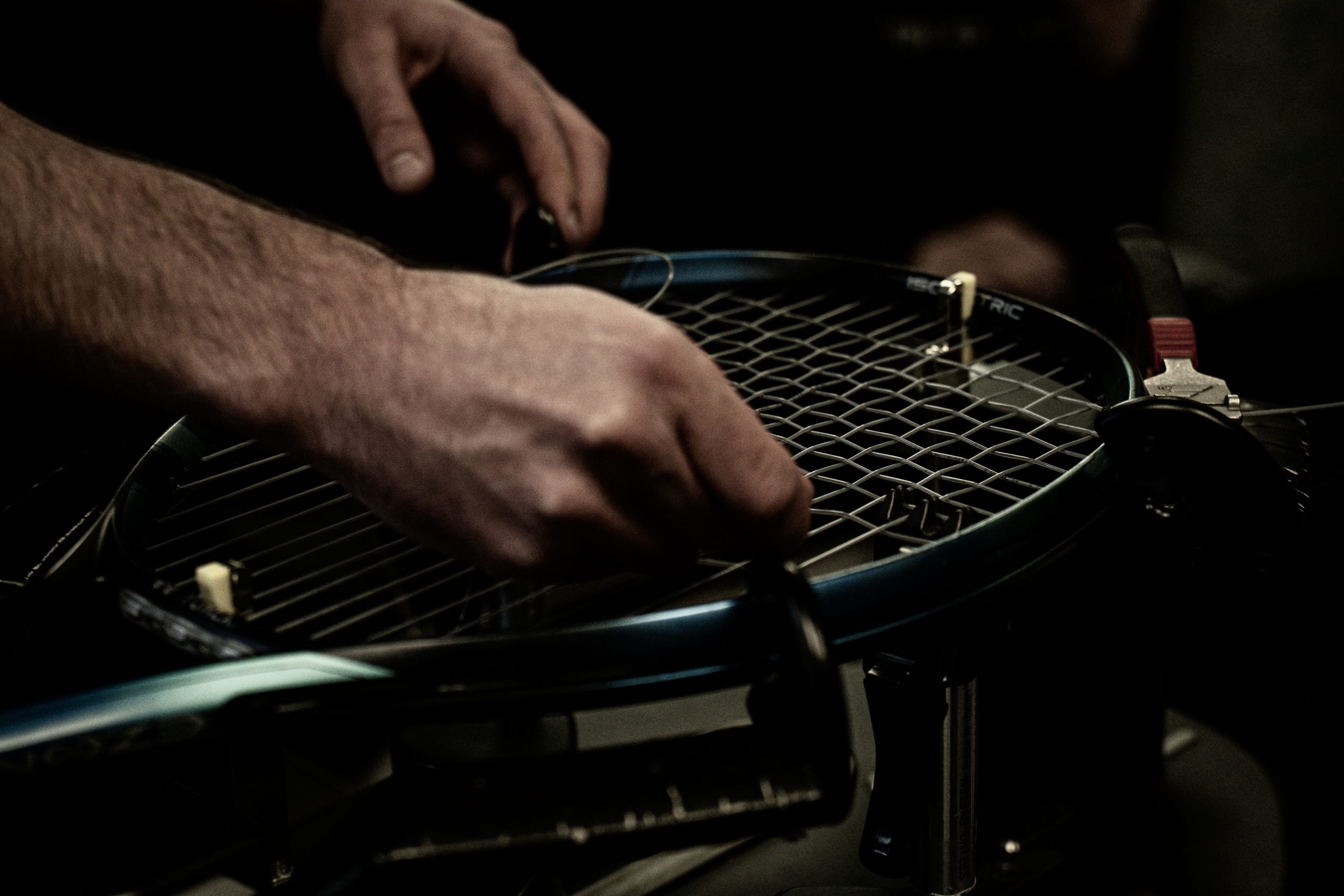
A fresh, softer string bed can make one demo feel more accommodating than another. A worn bed may change launch and feel even if the frame specifications look similar. Record material, gauge and approximate age, and ask the shop when the demo was last restrung.
Avoid changing tension immediately after ten minutes simply to rescue a purchase decision. Establish what you have, identify the difficulty, and discuss one controlled change with a stringer if needed.
Check the less glamorous shots
Short volleys, stretched returns and a defensive lob reveal different demands from cooperative baseline hitting. Include the shots that occur in your matches. If doubles is your main format, a racket's response at the net belongs in the decision even when baseline reviews receive more attention online.
Finally, compare cost in the finished setup: stringing, grip adjustments and the availability of a matching second frame if you need one. A small nominal head-size difference should not distract from fit, repeatability and a sensible budget.
Technical reference
Related reading
- Tennis Racket Swingweight vs Static Weight: What the Numbers Actually Tell You
- Head-Light vs Head-Heavy Tennis Rackets: Balance Without the Marketing
- Tennis Racket Grip Size: A Practical Fit Check Before You Buy
- 16×19 vs 18×20 Tennis Rackets: Look Beyond the String Count
- Racket questions and fit
- Wilson Blade 100 V10
