Shaped polyester strings have a non-round cross-section, often described by the number of sides or by a textured surface. A round polyester has a broadly circular cross-section. Neither label tells you the entire material formulation, stiffness, coating or how the installed string bed will age.
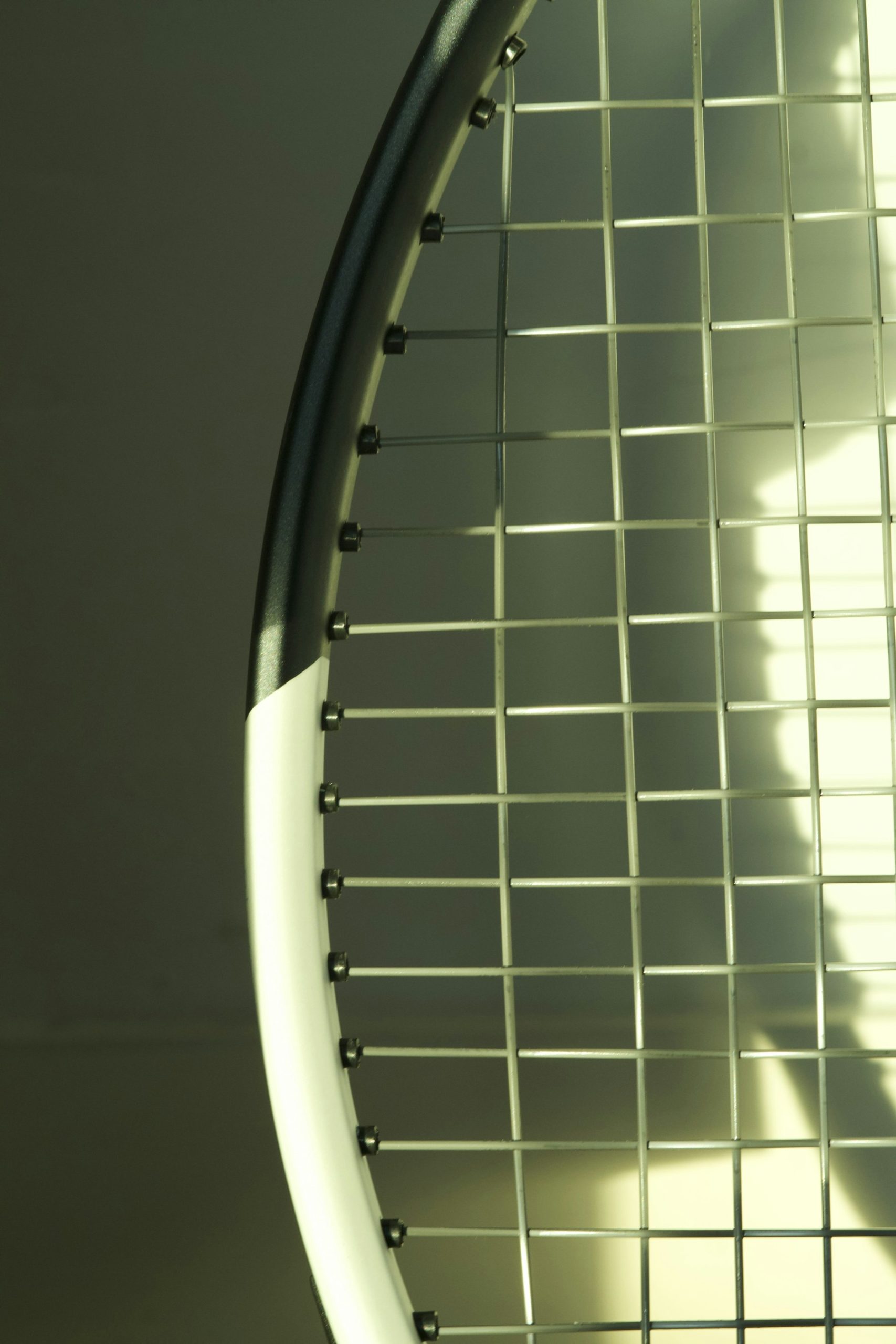
The sensible question is not whether an edge looks capable of gripping a ball. It is whether a complete setup gives you a repeatable trajectory and useful spin during the strokes you actually play.
Two different friction questions
Ball-to-string interaction and string-to-string interaction are different. The string must interact with the ball, while movement between crossing strings can also contribute to the response. A surface that feels rough to a fingertip does not describe both interactions completely.
Tennis Warehouse University's laboratory work measures friction under specified conditions. Such measurements help explain mechanisms, but a number for one string is not a personal spin guarantee. A hybrid also creates an interaction between two strings; it should not be assumed to behave exactly like either one measured alone.
Shape is one variable among several
When two strings differ in shape, they may also differ in material, diameter and coating. A direct purchase comparison tests all those differences together. Be careful about declaring shape the sole cause when the rest of the construction changed too.
The same applies to tension and age. A fresh shaped string against an old round string is not an isolated shape experiment. It can still tell you which setup you prefer today, but it cannot support a broad claim that every shaped polyester beats every round one.
A useful on-court comparison
Choose a cross-court rally with a visible height target and a deep landing area. Aim for a repeatable swing rather than maximum spin on every ball. Note how easily the ball clears the net and drops into the target at the pace you can sustain.
Then include a flatter drive, a short volley and a return. A setup that feels helpful for one heavy topspin shot may have trade-offs elsewhere. Record these separately rather than compressing the whole session into a single “spin score”.
If possible, compare similar frames with matched string ages and clearly recorded tensions. When that is not possible, write down the limitations instead of hiding them. This is a suggested demo method, not a claim of a Tennis Baselines laboratory playtest.
Watch what happens with wear
Intersections can wear during use, and the response may change before the string breaks. Record playing time and visible condition. If a shaped main is combined with a softer cross, do not assume that colour or shape tells you how quickly that particular combination will wear.
Ask the stringer about the actual pairing, gauge and observed wear. Avoid adding lubricants or improvised surface treatments to chase a laboratory friction figure. A controlled string change is easier to assess than an unrecorded alteration to the surface.
Make the choice about your ball
The preferred string is the one that supports the ball you want to reproduce with acceptable feel and maintenance. A louder bite sensation or a more angular product photograph is not itself evidence of a better rally ball. Use shape to organise the shortlist; use a fair session and honest notes to choose between the finished setups.
Research references
- Tennis Warehouse University: sliding friction in tennis strings
- Tennis Warehouse University: string-to-string friction measurements
Related reading
- Why Polyester Tennis Strings Can Feel Dead Before They Break
- A Tennis Stringing Log You Will Actually Use: What to Record and Why
- Tennis String Notching vs Fraying: What to Photograph for Your Stringer
- Tennis String Savers Explained: A Small Accessory, Not a Fresh String Bed
- String materials compared
- String gauge explained
