Tennis elbow usually causes pain around the outside of the elbow, often made worse by gripping or moving the wrist. You do not have to play tennis to develop it. Repetitive work and other activities can also be involved, and not every painful elbow has the same cause.
What symptoms can feel like
Pain may appear during everyday tasks such as lifting a bag, gripping an object or turning the wrist. It can range from mild discomfort to a more persistent problem. These examples help explain the term; they are not a way to diagnose yourself from a checklist.
An assessment should consider the location of pain, its onset and the effect of different activities. A tennis player can also have problems unrelated to tennis elbow, so the sport alone does not establish the diagnosis.
Review the load on your arm
Write down any recent increase in tennis, work or repetitive tasks. Notice whether symptoms are worse during activity, later that day or the following morning. That record can make a conversation with a clinician more useful.
Reducing an aggravating activity does not necessarily mean abandoning all exercise. The appropriate balance depends on your symptoms and assessment. Avoid treating one painless practice swing as proof that a full match will be tolerated.
What general self-care can involve
NHS guidance includes reducing activities that worsen symptoms and using simple movement within tolerance. It also describes hot or cold packs wrapped in a towel as an option. If you need pain-relief advice, ask a pharmacist or clinician about suitability for you.
Physiotherapy may include a progressive exercise programme. The exact exercises, load and progression should match the individual rather than a fixed online timetable.
Equipment and technique: useful questions, limited promises
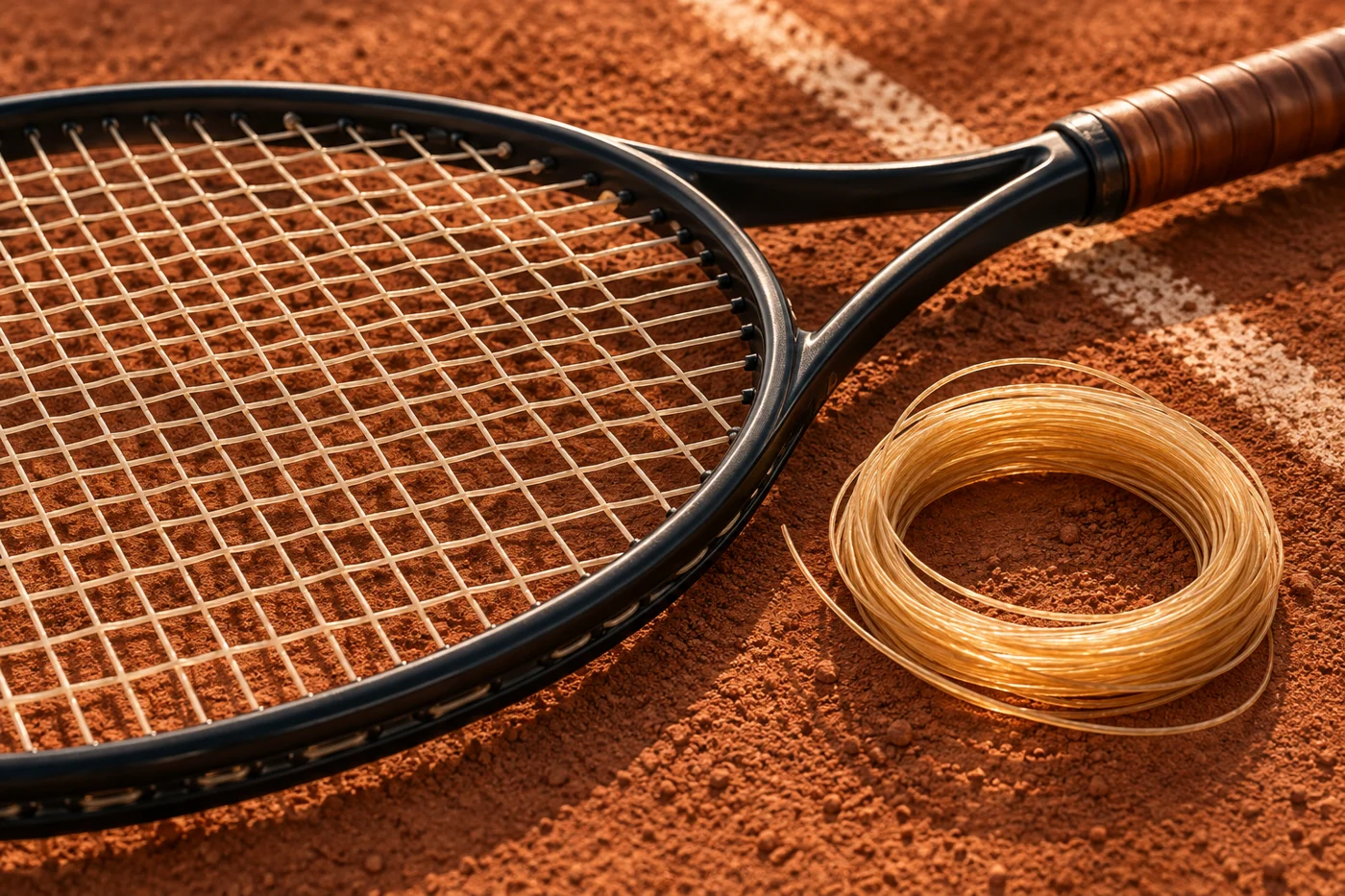
Check whether a grip has become slippery, whether you are squeezing harder than usual or whether a recent string change feels much firmer. A coach and competent stringer can help evaluate those practical factors.
Neither a racket brand nor a dampener can promise prevention or a cure. A brace may help some people with comfort, but it is optional. See our elbow brace guide for its limitations.
Returning to tennis
A short, controlled hitting session is a different load from a long competitive match. Discuss a gradual return where symptoms have limited play. Record both the immediate response and how the arm feels afterwards.
It can be useful to agree in advance when to stop or reduce the session rather than deciding only in the middle of a close set. Recovery is not a contest to endure the greatest amount of pain.
When to seek an assessment
The NHS advises a GP review if pain continues after at least two weeks of rest and self-care. Sudden severe pain following injury or worrying neurological symptoms should not be managed solely as an equipment problem.
This is general information for understanding the topic. A qualified clinician can assess persistent symptoms and advise a plan appropriate to your situation.
