The most useful string experiment often begins with a notebook rather than another reel. Without a record, it is easy to compare a new setup with a vague memory of the old one, forget the installed gauge, or mistake a different batch of balls for a tension effect.
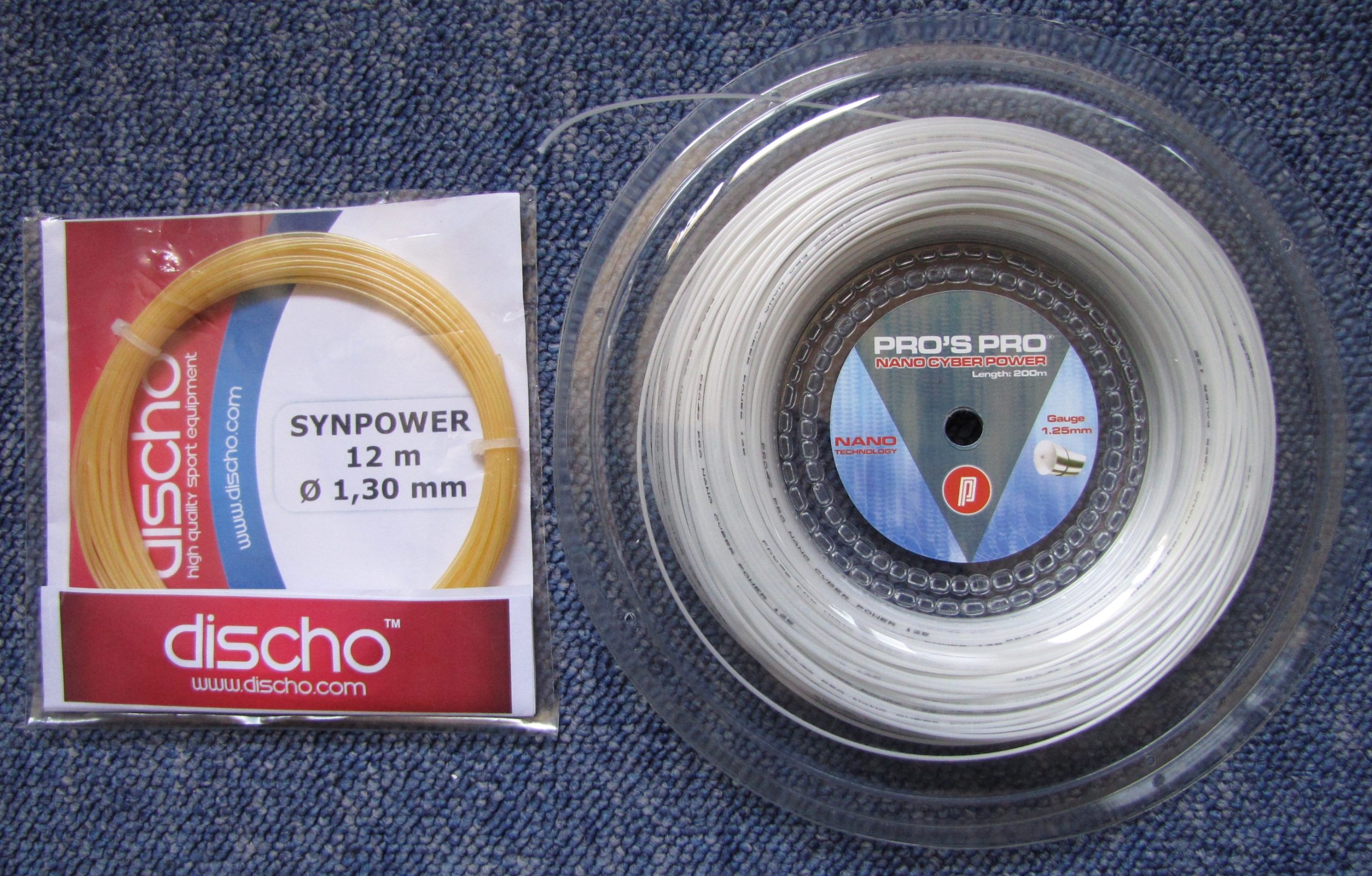
A practical stringing log should take less than a minute after a session. The purpose is to make the next decision clearer, not to turn recreational tennis into an administrative project.
Record the installation once
Copy these fields into a note or a simple table. Use a separate entry for each installation, even if the specifications are unchanged.
- Racket model, version and an identifying mark for this individual frame.
- Installation date and stringer.
- Main string: full name, material if known and diameter in millimetres.
- Cross string: full name and diameter, or “same as mains”.
- Reference tension for mains and crosses, with kg or lb written explicitly.
- Grip setup, dampener and any frame customisation.
- Reason for this installation and the one change being investigated.
The reference tension is the machine setting requested during stringing. It is not a promise that every part of the finished bed remains at that tension. Do not compare a later app estimate directly with the installation setting as though the two were interchangeable measurements.
Add a short session entry
After playing, write the date, approximate duration, court surface, conditions and balls used. Add one concrete observation about response. “Return launched higher than expected during the last half hour” is more useful than “bad strings”.
Separate physical symptoms from performance notes. If pain occurs, stop and seek appropriate advice rather than continuing simply to complete the experiment. The log can record what happened; it cannot diagnose the cause.
Use a repeatable task
Choose a familiar cross-court rally or return exercise to revisit with each setup. Keep the target and approximate pace similar. You will not eliminate every variable, but you can avoid comparing an easy feed session with a difficult competitive match and calling the difference a string result.
For each task, note depth, height and confidence in the response. Use short descriptions before numerical ratings. A seven out of ten becomes more informative when accompanied by a specific example.
A hypothetical entry
Here is a fictional example to show the format, not a recommendation for a particular tension: “Frame A; installed 3 May; same nylon string in mains and crosses; 1.30 mm; 23 kg reference tension; unchanged grip. Goal: establish a baseline.”
The follow-up might read: “4 May; 60 minutes; outdoor hard court; new balls; cross-court rally comfortable; several late returns floated long; no conclusion yet.” That last phrase is valuable. One session does not require a verdict, and late contact may not be a string problem.
Make the next decision deliberately
Before changing anything, review the reason for the previous installation. Did the observed problem recur? Was the setup enjoyable for most of its use? Did the comparison include similar conditions? Ask the stringer about a single next change instead of replacing material, gauge and tension together.
When the bed is removed, record why: breakage, unacceptable response, planned competition preparation or damage. Include approximate playing hours, not just calendar age. Over several installations, this gives a more useful personal history than a universal rule about restringing every fixed number of weeks.
Background reference
Related reading
- Why Polyester Tennis Strings Can Feel Dead Before They Break
- Round vs Shaped Polyester Tennis Strings: Spin Is More Than an Edge
- Tennis String Notching vs Fraying: What to Photograph for Your Stringer
- Tennis String Savers Explained: A Small Accessory, Not a Fresh String Bed
- String materials compared
- String gauge explained

